Google Advertising: How Much Does It Cost for a Small Business in 2026
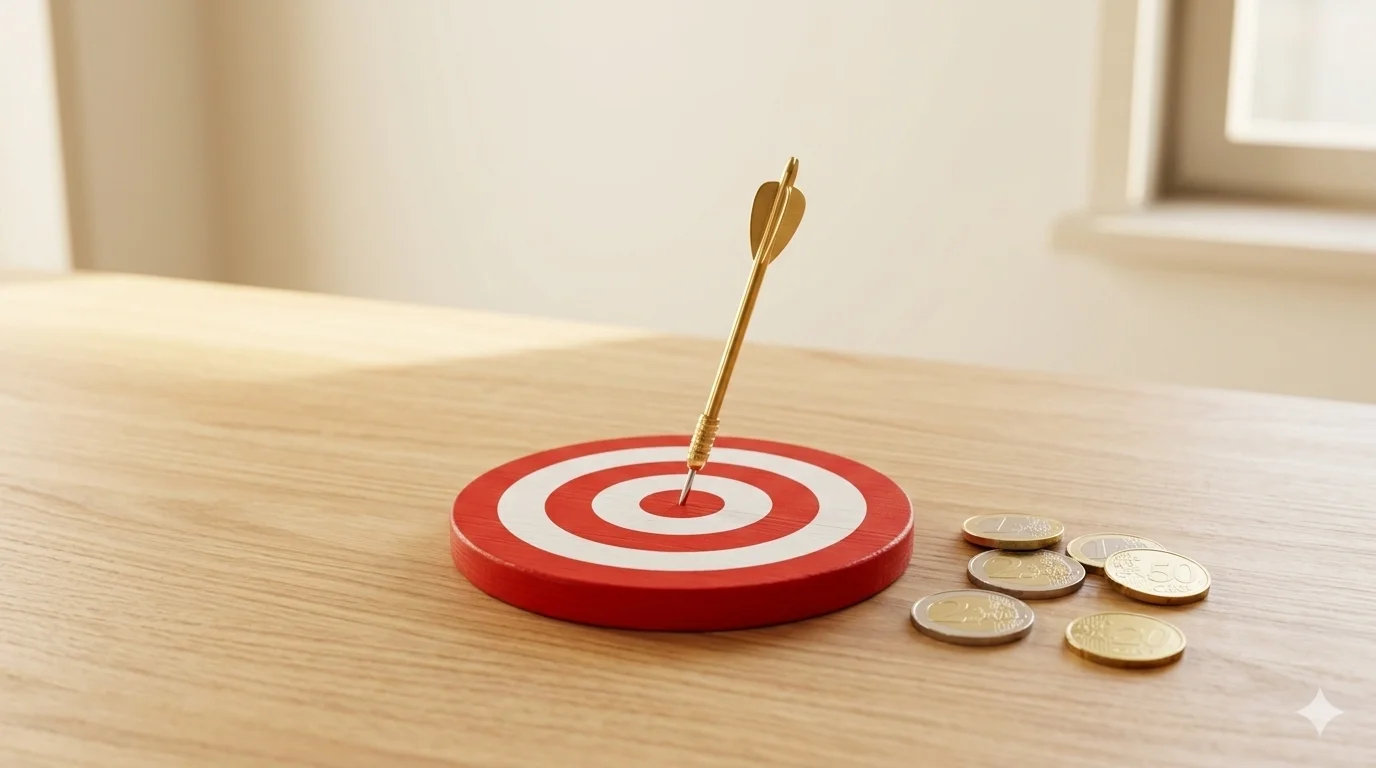
Google advertising is the most used channel by SMEs. But how much does it really cost and when is it worth it?
Digital advertising in Italy is worth EUR 6 billion in 2025 and accounts for 51% of the entire advertising market. The most used channel by small and medium businesses? Search engine advertising — with 65% of Italian SMEs investing in paid online campaigns.
But the sobering figure is this: small business ad accounts waste an average of EUR 1,127 per month on clicks that never convert. Between 25% and 40% of budget goes up in smoke due to wrong targeting, overly broad keywords, and unoptimised landing pages.
In this guide, we analyse the real costs of Google advertising in 2026, when it's better than SEO, and how to avoid wasting money — with updated figures for the Italian market.
How Google advertising works in 5 minutes
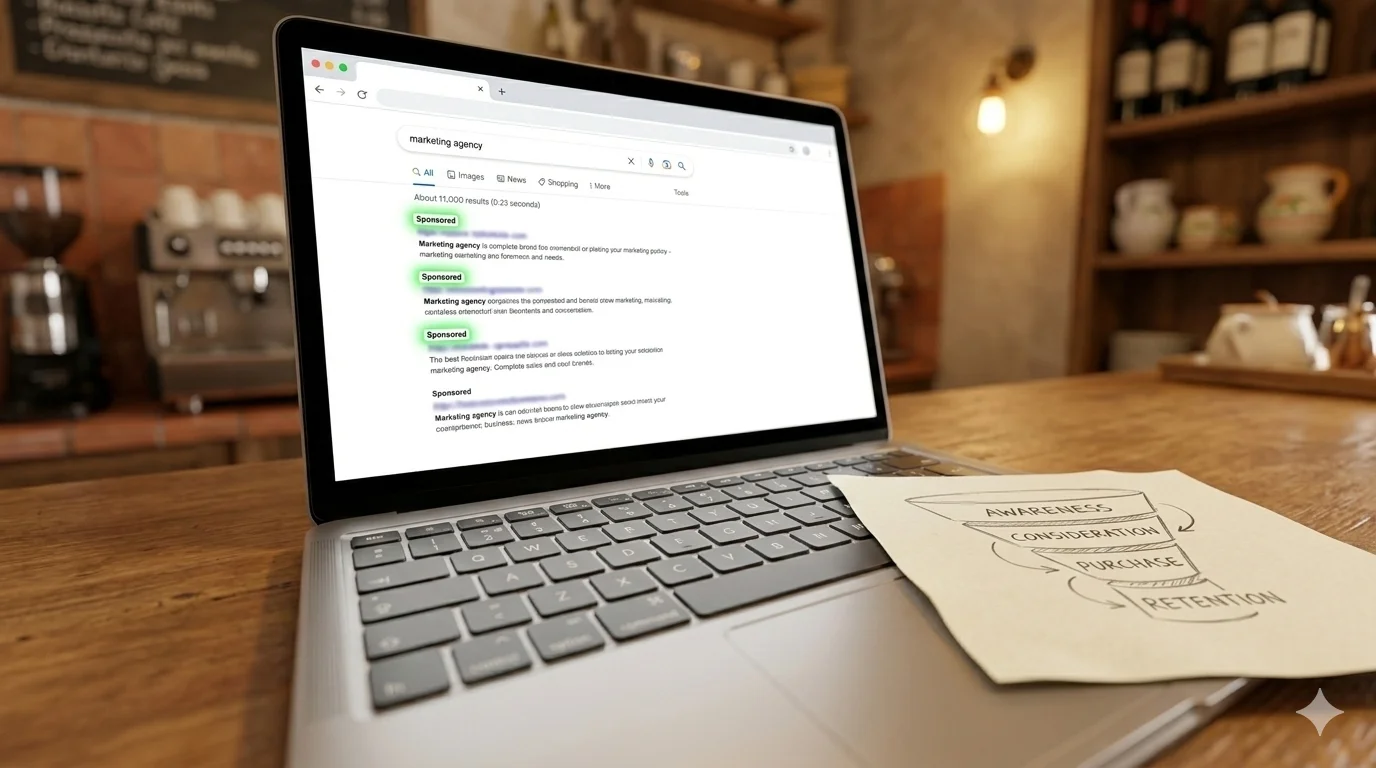
Google advertising works through a real-time auction system. When a user searches for something, Google decides which ads to show based on three factors:
- Bid — how much you're willing to pay per click (CPC, cost per click)
- Quality Score — how relevant your ad and landing page are to the search
- Extensions and format — additional information like phone number, address, links to specific pages
The advantage is that you only pay when someone clicks on your ad — not for impressions. And you can set a maximum daily budget to avoid surprises. But "paying per click" doesn't mean every click brings a customer — which is why strategy matters more than budget.
How much does Google advertising cost in 2026
Cost per click (CPC) varies enormously based on sector and competition. In Italy, the average CPC is approximately 75% lower than in the United States — but prices are rising rapidly: +20-35% in 2025 in the most competitive sectors.
Average CPC by sector in Italy
- Restaurants and food — €0.50-2.00 per click. The most accessible sector
- Tourism and travel — €0.24-1.50 per click. Highly seasonal variation
- E-commerce and retail — €0.50-2.00 per click. Shopping campaigns more affordable
- B2B services — €2.00-6.00 per click. More expensive but higher-value leads
- Real estate — €1.50-4.00 per click
- Healthcare and dental — €3.00-8.00 per click
- Legal and financial services — €4.00-10.00+ per click. The most expensive by far
Recommended minimum budget
For a local SME, the minimum effective budget is €300-500 per month. Below this threshold, you don't collect enough data to optimise campaigns and results will be inconsistent. The ideal budget for most local businesses is between €500 and €1,500 per month.
Add to this budget the 2.5% regulatory operating cost surcharge introduced in July 2024 — a separate line item on all advertising spend served in Italy, on which 22% VAT also applies.
Management costs
Running effective campaigns requires expertise and time. The options are:
- In-house management — if you have the skills, just the cost of time dedicated
- Consultant or agency — typically €300-800/month for management, plus the ad budget
- Initial setup + training — €500-1,500 one-off to set up campaigns and learn to manage them
Google Ads vs SEO: what's better for your SME
It's the million-euro question — literally. Paid advertising or organic positioning? The answer depends on your situation.
- Timing — advertising delivers results in hours; SEO takes 3-6 months for first significant results
- Long-term ROI — SEO generates €22 for every euro invested long-term (748% ROI); advertising about €2 for every euro spent (200% ROI)
- Duration — when you stop paying for ads, traffic drops to zero instantly. SEO results persist for months or years
- Clicks — organic results capture roughly 94% of clicks, paid only 6%. But that 6% often has much higher purchase intent
When advertising is better: product launches, seasonal promotions, market testing, sectors where organic ranking takes years.
When SEO is better: building long-term authority, reducing customer acquisition cost, generating steady traffic without monthly budget.
The best strategy? Almost always both together: advertising for immediate results and testing, SEO to build a lasting asset. For more on SEO, read our guide on local SEO.
Want an advertising strategy that works for your SME? Ivemind analyses your market and creates targeted campaigns with optimised landing pages — to maximise every euro invested. Let's talk →
Why your campaigns aren't working
If you've tried Google advertising and the results were disappointing, you're probably making one of these mistakes. The good news: they're all fixable.
No conversion tracking
Over half of small businesses have no tracking system configured. Without knowing which clicks bring real customers, you're optimising blind. Conversion tracking is the first thing to set up — before even increasing your budget.
Unoptimised landing page
Does your ad lead to a generic website or homepage? That's like inviting someone to your shop and making them enter through the back door. A dedicated, optimised landing page reduces cost per click by 36%, improves clicks by 87%, and multiplies conversions up to 7 times. It's the single factor that makes the biggest difference.
Keywords too broad
Paying for clicks on "restaurant" when your target is "traditional restaurant Bolzano business lunch" means wasting budget on people who will never become customers. Specificity is everything: long-tail keywords cost less and convert more.
No negative keywords
1 in 4 accounts has never added a negative keyword. Without them, your ad for "divorce lawyer Bolzano" also appears for "free lawyer" or "lawyer salary" — useless clicks that eat your budget.
Budget too low
With €100 per month you don't collect enough data to understand what works. Better to concentrate an adequate budget on a few targeted keywords than scatter crumbs across everything.
Google advertising for local businesses
For SMEs serving a specific geographic area, local Google advertising is particularly effective — and often more affordable than national campaigns.
Local searches convert
46% of all Google searches have local intent. "Dentist near me", "pizzeria Merano", "electrician Bolzano" — these are searches from people ready to act. 76% of "near me" searchers visit a business within 24 hours, and 28% make a purchase.
Google Maps ads
Local ads appear directly on Google Maps as promoted pins: your shop, restaurant, or practice appears prominently when someone searches in your area. 42% of clicks on local searches go to the map pack — and the first result captures 23.6% of clicks.
To maximise effectiveness, your Google Business profile must be complete and up to date: complete listings receive 7 times more clicks and are 70% more likely to generate store visits. Also discover how to list your business on Google for free.
Geotargeting makes the difference
You can show your ads only to people in your area — by kilometre radius, city, or province. This eliminates wasted clicks from areas you don't serve and concentrates budget where it matters. For a local business, geotargeting is the difference between a campaign that works and one that burns money.
Funding for digital marketing
An important distinction: most funding covers strategic consulting and digital tools, but not direct advertising spend. Here's what you can fund.
- Province of South Tyrol — grant up to 60% non-repayable on online marketing consulting, SEO, digital strategy (between €2,000 and €15,000). Budget of €3.5 million per year from 2026. The ad spend itself is excluded, but consulting to set up campaigns is covered
- Bolzano Chamber of Commerce — vouchers up to EUR 10,000 (40% of expenses) for digital innovation, including marketing consulting
- Landing pages and website — creating optimised landing pages for campaigns is a web development investment, fundable through digitalisation grants
For full details, read our complete guide on non-repayable grants for small businesses in South Tyrol. For ideas on promoting your business without an advertising budget, read our guide on how to advertise your business for free.
How to start: first steps
You don't need a huge budget to begin. You need a clear strategy.
1. Define the objective
Do you want phone calls? Store visits? Online sales? Quote requests? The objective determines the campaign type, keywords, and landing page.
2. Create the landing page
Before spending a euro on advertising, create a dedicated page for each campaign. A page with a single offer and clear call-to-action converts at 13.5% — much more than a generic homepage. For an optimised website, read our guide on how much a professional website costs.
3. Start with specific keywords
Not "lawyer" but "employment lawyer Bolzano". Not "hotel" but "family hotel Merano half board". Specific keywords cost less and bring more qualified customers.
4. Set up tracking
Before activating campaigns, make sure you track every conversion: phone calls, form submissions, purchases. Without data, you can't optimise.
5. Test and optimise
The first weeks are for collecting data. Analyse what works, eliminate keywords that waste budget, improve ads — and let data guide decisions.
Ivemind: consulting and landing pages for your campaigns
Ivemind is a social cooperative and innovative startup based in Bolzano, South Tyrol. We help South Tyrolean and Italian SMEs maximise their return on digital advertising — from strategy to landing pages, from tracking to optimisation.
We don't run campaigns on autopilot. We build the system that makes your advertising effective: landing pages that convert, precise tracking, and a website that turns clicks into customers.
With Ivemind you get:
- Strategic consulting — we analyse your market and define the right keywords for your business
- Optimised landing pages — landing pages designed to convert, not just to look good
- Professional website — the foundation for any digital strategy
- Local SEO — to generate organic traffic that costs nothing per click
- Tracking and analytics — to know exactly where every invested euro goes
- Grant assistance — we guide you through accessing funds for digital marketing consulting
We've helped 47+ companies and organisations build their digital presence, with 100% client satisfaction. 60% of our profits are reinvested in social inclusion projects.
Contact us for a free consultation or discover our consulting and web development services.
Related articles
Social Media for Small Business: Which Platform to Choose and How to Start in 2026
Instagram, Facebook, TikTok or LinkedIn? Practical guide for SMEs: which social to choose, how to create an editorial plan and how much a social media manager costs.

Brand Identity for Small Business: How Much Does a Professional Logo and Visual Identity Cost in 2026
75% of consumers judge a company's credibility by its design. Discover how much a professional brand identity costs, the 5 essential elements, and available funding.

Website Redesign: When You Need It, How Much It Costs and How to Do It in 2026
Is your website slow, outdated or failing to convert? Discover the 10 warning signs, real costs and 5 phases for a redesign without losing SEO.