How to Choose the Right Management Software for Your SME
When spreadsheets are no longer enough
Choosing the right management software is one of the most important decisions for a growing SME. Yet many businesses keep postponing it. Invoices in Excel. Customers in a Google Sheet. Orders on WhatsApp. Inventory "from memory". If this sounds familiar, you're not alone: according to the Digital Innovation Observatory at Milan Polytechnic, 65% of Italian micro and small businesses still manage their operations with disconnected tools.
It works — until it doesn't. The warning signs:
- You waste more than 5 hours a week copying data between spreadsheets
- You have at least 2 versions of the same document and don't know which is correct
- You can't see your current month's revenue in real time
- Customers receive quotes with outdated data or wrong prices
- Your accountant asks for figures and you have to "reconstruct" them every time
- When an employee is absent, nobody knows where the information is
If these problems are daily occurrences, it's time for management software. But which one? With hundreds of options on the market, choosing the wrong one costs more than having none at all.
What management software does (and what it doesn't)
Management software is the central nervous system of your business. It collects, organises and connects the information that's currently scattered across ten different tools. The core modules:
- Invoicing and accounting — electronic invoices, bookkeeping, payment tracking, tax returns
- Customer management (CRM) — contact database, interaction history, sales pipeline
- Warehouse and inventory — real-time stock levels, automatic reorders, batch tracking
- Orders and quotes — from quote to invoice in one click
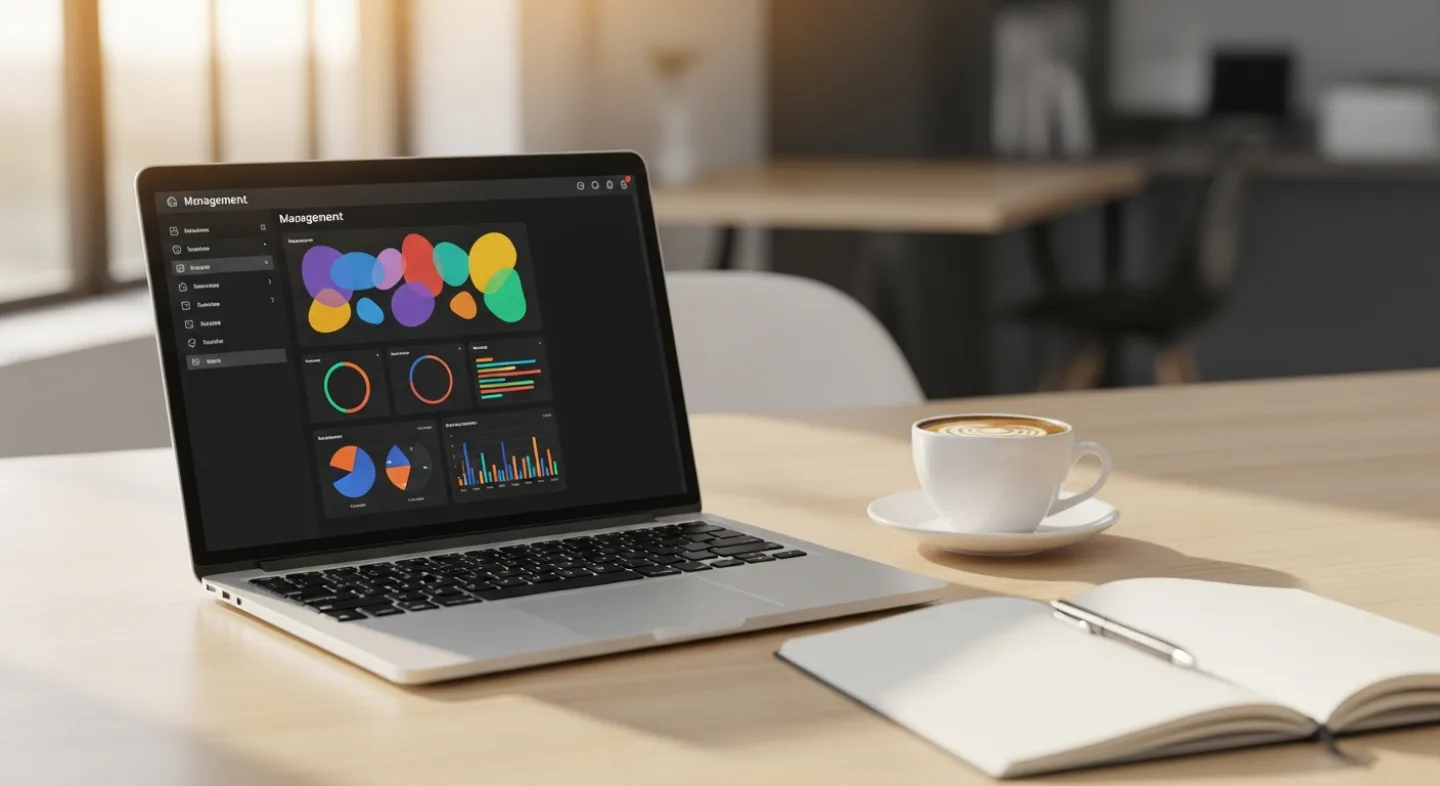
- Reporting and analytics — dashboards with the numbers that matter, without rebuilding them manually. To learn how to truly leverage business data, read our guide on business intelligence for SMEs
- Project management — tasks, deadlines, assignments, progress tracking
In essence, modern management software is a complete ERP for SMEs: it brings invoicing, CRM, warehouse and analytics into a single accessible platform.
Important: management software is NOT a magic wand. If your processes are chaotic, the software will make them chaotic faster. Before choosing a tool, you need clear workflows. The right tool amplifies what works — and exposes what doesn't.
The 3 paths: off-the-shelf, SaaS or custom
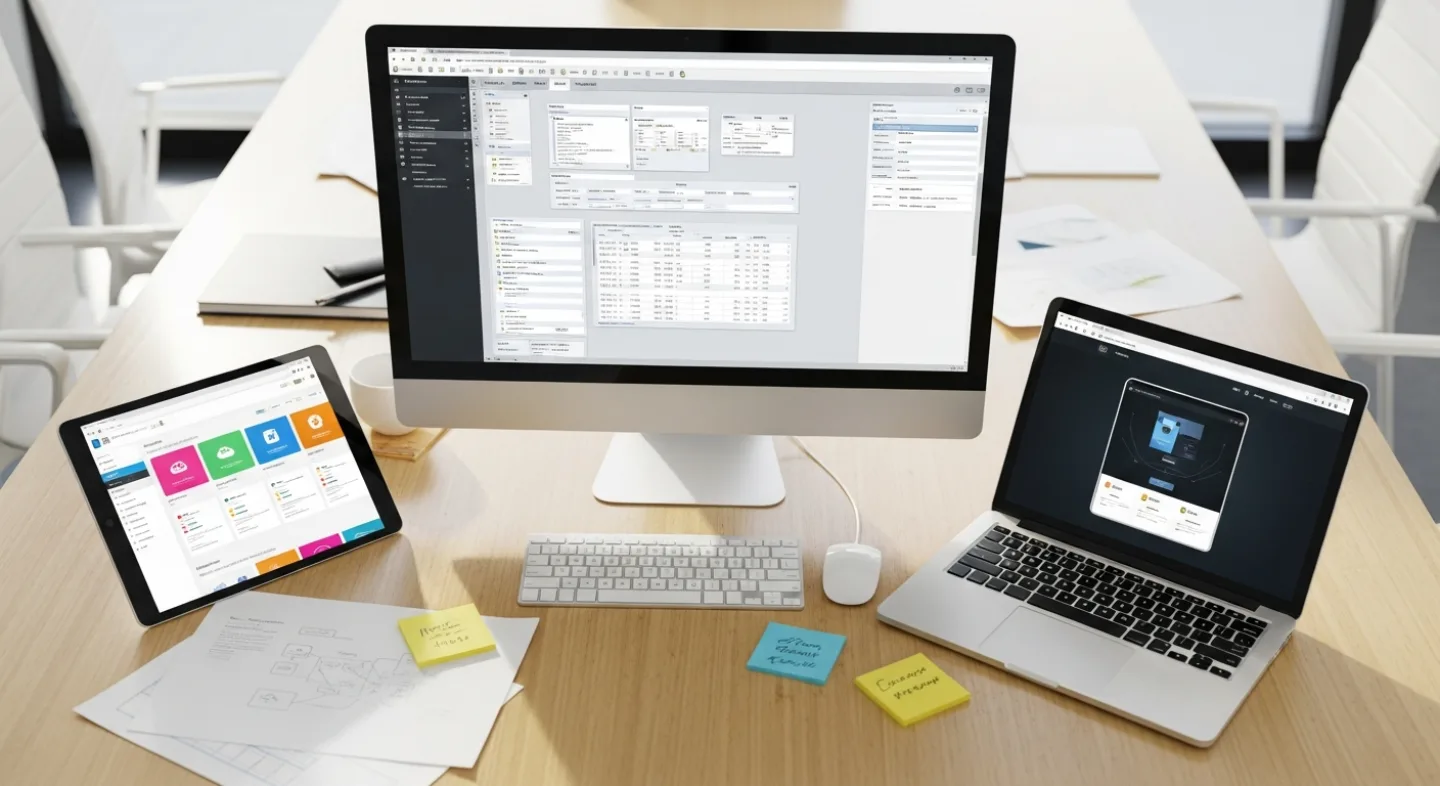
There are three categories of management software on the market. Each makes sense in different contexts — but they're not equivalent.
1. Off-the-shelf software (on-premise)
Examples: SAP Business One, Sage, QuickBooks Enterprise, MYOB.
- Pros: proven, structured support, works offline
- Cons: rigid, limited and expensive customisation, paid upgrades, tied to specific hardware
- Typical cost: €500-2,000/year + installation and training
The off-the-shelf option is the "safe" choice — but you adapt to the software, not the other way around.
2. Cloud SaaS (subscription)
Examples: Xero, HubSpot CRM, Monday.com, Zoho, Odoo.
- Pros: no installation, automatic updates, accessible from any device, low upfront cost
- Cons: endless subscription (you pay as long as you use it), data on someone else's servers, limited customisation, vendor lock-in
- Typical cost: €30-200/month per user (seems affordable, but costs accumulate)
SaaS is convenient — but you're renting a tool that will never be yours.
3. Custom software
Designed and developed around your specific business needs.
- Pros: does exactly what you need, integrates with all your systems, yours forever, grows with you
- Cons: higher initial investment, requires a reliable development partner, 2-4 months delivery time
- Typical cost: €5,000-15,000 one-off + annual maintenance. For detailed pricing, read our deep dive on how much custom management software costs
Custom requires more upfront commitment — but it's the only option that becomes a business asset, not a recurring expense.
When "ready-made" works — and when it doesn't
Let's be honest. Off-the-shelf or SaaS software works perfectly fine if:
- Your business has standard processes (simple retail, basic professional practice)
- You don't need special integrations with other systems
- You have fewer than 5 users
- Your processes are stable and won't change in the next 3-5 years
But you need custom management software for your SME when:
- Your workflow is unique to your industry — and that's your competitive advantage
- You need to integrate different systems: e-commerce, POS, warehouse, shipping, accounting, CRM
- You're growing and your current software can't keep up
- Customising the SaaS now costs more than building custom
- You want your data under your control (GDPR, security, NIS2 compliance)
- You're paying for 3-4 different subscriptions to cover features a single system could handle
A practical rule: if you're spending more than €200/month on software subscriptions and still have manual processes to fill the gaps, custom software likely costs less in the medium term.
7 criteria for choosing the right management software
Whichever path you choose, evaluate every solution against these 7 criteria. They're what separates an investment from a cost.
1. Adaptability to your processes
Does the software adapt to how you work, or do you have to change how you work? "Ready-made" solutions impose their workflow. Custom software starts from your processes and digitises them as they are — improving them where it makes sense.
2. Integrations
Does it connect to your existing tools? E-commerce, email, banking, electronic invoicing, courier services, marketplaces. Every missing integration is one more manual process.
3. Scalability
Can it handle double the users and triple the data in 3 years? SaaS scales easily but the cost scales with it. Off-the-shelf often doesn't scale at all. Custom is designed to grow.
4. Total cost of ownership (TCO)
Don't just look at the monthly price. Calculate the cost over 5 years including: licences, subscriptions, customisations, training, data migration, maintenance. The numbers often flip the first impression.
5. Support and updates
Response times? In your language? Familiar with your specific setup? Generic SaaS support responds with templates. A development partner knows your system inside out.
6. Security and compliance
Automatic backups, data encryption, EU hosting, GDPR compliance. Key question: where do your data physically reside? With a US-based SaaS, often on US servers — with legal implications under GDPR.
7. Data ownership
Can you export everything at any time? What happens if the vendor closes, raises prices by 50% or changes terms? With software you own, the data is yours — full stop.
Real cost comparison over 5 years
Numbers speak louder than sales pitches. Here's a realistic cost comparison of management software for an SME with 3 users:
| SaaS (3 users) | Off-the-shelf | Custom | |
|---|---|---|---|
| Year 1 | €3,600 | €2,500 | €8,000 |
| Year 2 | €3,600 | €500 | €1,200 |
| Year 3 | €4,200* | €500 | €1,200 |
| Year 4 | €4,200 | €2,500** | €1,200 |
| Year 5 | €4,800* | €500 | €1,200 |
| 5-year total | €20,400 | €6,500 | €12,800 |
| Ownership | No (rental) | Partial | Yes, 100% yours |
| Customisation | Limited | Limited | Full |
| Custom integrations | Extra cost | Expensive | Included |
* Typical 10-15% annual SaaS price increase. ** Mandatory version upgrade (common with on-premise packages).
The result is counterintuitive: custom software costs 37% less than SaaS over 5 years — and at the end you own the code, the data and the integrations. SaaS is perpetual rent; custom is an investment with residual value.
The competitive advantage your competitors don't have

Here's the truth no SaaS vendor will tell you: your competitors use the same tools you do. All on the same platforms. All with the same features, the same limitations, the same workarounds.
Custom management software is a competitive advantage because:
- Your e-commerce syncs with warehouse and accounting in real time — zero errors, zero delays
- Your integrated CRM generates quotes automatically with your custom pricing, conditions and templates
- The system proactively alerts you when a customer hasn't ordered in 60 days, when a product is running low, when a payment is overdue
- Reports build themselves — no more spending Friday afternoon putting together the week's numbers
For businesses in hospitality and food service, custom software can integrate reservations, dining room, kitchen, warehouse and accounting into a single workflow — something no generic package does well.
Smart software: AI integration
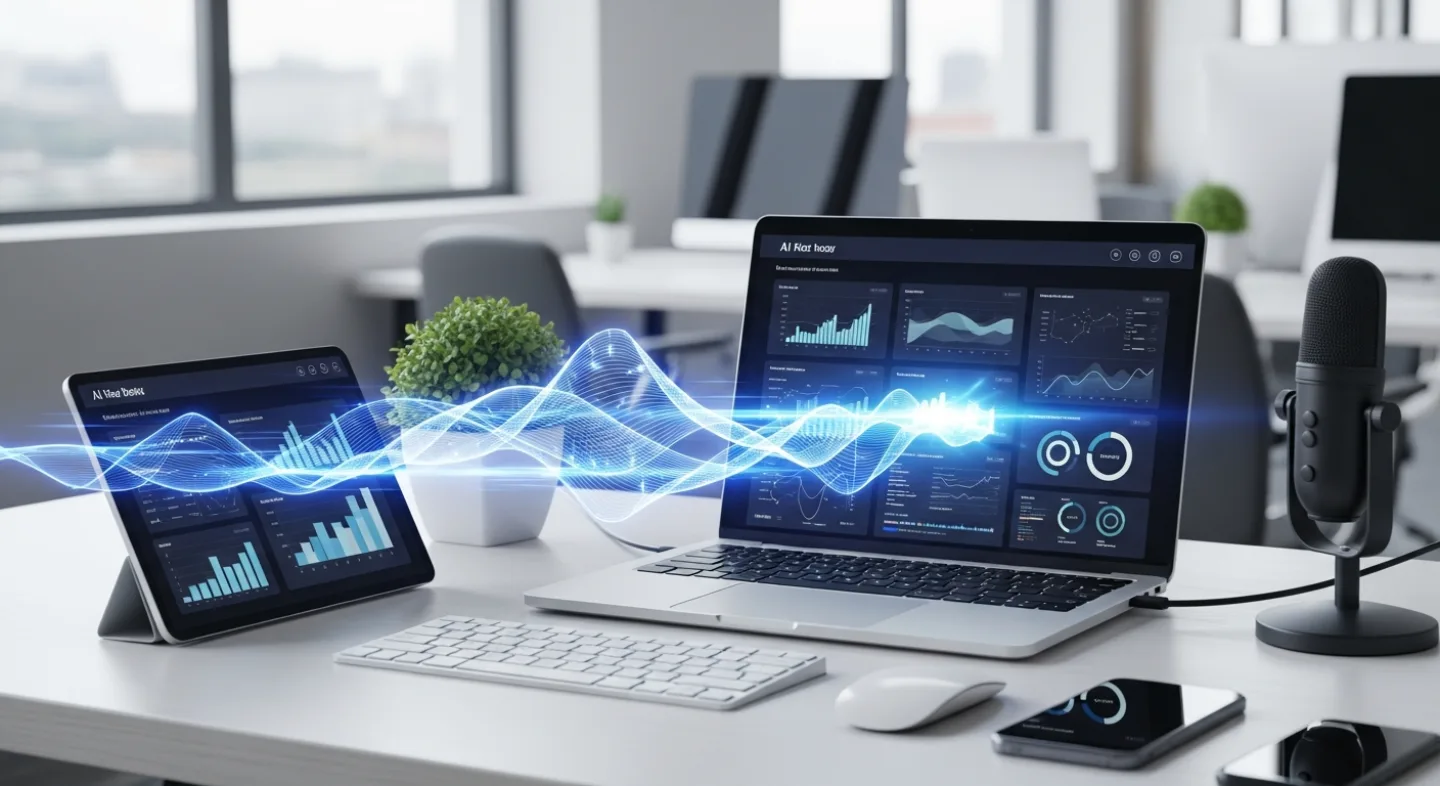
Management software in 2026 isn't just a database with an interface. It's a system that learns and acts. AI integration transforms your software from a passive tool into an active assistant:
- Demand forecasting — AI analyses order history and suggests what to reorder and when
- Automatic classification — invoices, documents and emails are categorised without human intervention
- Intelligent reports — the system generates insights and flags anomalies, not just data tables
- Integrated customer assistant — an AI chatbot connected to your management system answers customers with up-to-date information in real time
- Automated routine decisions — order approval below threshold, task assignment, automatic escalation
These integrations are only possible with custom software. A generic SaaS will never let you connect an AI model to your specific data with the flexibility required. To learn more, read our guide on AI agents for SMEs and how artificial intelligence is transforming small businesses.
How to finance the investment
The upfront investment is the most cited barrier. But in 2026, there are concrete tools to reduce it:
- Provincial digitalisation vouchers — in South Tyrol they cover up to 60% of software investment. Full details in our guide on non-repayable grants for small businesses
- ESG Energy and Digital Grant — for businesses in Trentino, up to €9,000 non-repayable for digitalisation projects
- Transition 5.0 tax credit — tax relief up to 45% for software investments that improve energy efficiency or process digitalisation
- Nuova Sabatini — subsidised financing for capital goods, including management software
With a 60% grant, a €10,000 management system costs you €4,000. Less than 2 years of SaaS subscription — and the software is yours forever.
The 3 most common mistakes when choosing management software
1. Choosing based on monthly price
€30/month seems like nothing. But that's €1,800 over 5 years for a single user — for software you don't own, don't control, and that can raise prices whenever it wants. Always look at the total cost over 5 years, not the list price.
2. Underestimating integrations
"Integrates with everything" is every vendor's promise. Reality: every integration costs extra, some don't exist, others work poorly. Ask for a demo with your real data and test the integrations you actually need — not the ones in the promotional video.
3. Not involving the people who'll use it
The owner chooses the software, but employees use it. If the team isn't involved in the selection, they won't use it. Include at least one person per department in the evaluation process — they're the ones who know the daily problems.
Ivemind: your software, designed around you
Ivemind is a social cooperative and innovative startup based in Bolzano, South Tyrol. We design and develop custom management software for SMEs — from CRM to warehouse management, from invoicing to e-commerce and AI integration.
Our 4-phase approach:
- Free analysis — we map your processes and identify where software can have the greatest impact
- Interactive prototype — see your management system before it's built, with your data and your workflows
- Agile development — incremental releases every 2 weeks, you test and give feedback in real time
- Ongoing support — maintenance, updates and new features when you need them
Why choose Ivemind:
- Proven experience — 47+ projects completed for SMEs in Trentino-South Tyrol and across Italy
- Modern stack — cutting-edge web technologies (React, Next.js, AWS) ensuring speed, security and scalability
- Transparent pricing — you'll know the exact cost before we start, no surprises
- Grants included — we guide you through applying for non-repayable grants to reduce costs by up to 60%
- Social impact — 60% of our profits are reinvested in social inclusion projects. Choosing Ivemind isn't just a technology decision
Want to know if custom management software is the right choice for your business? Contact us for a free process analysis. No commitment, no cost — just concrete answers.
Request your free consultation →
Related articles
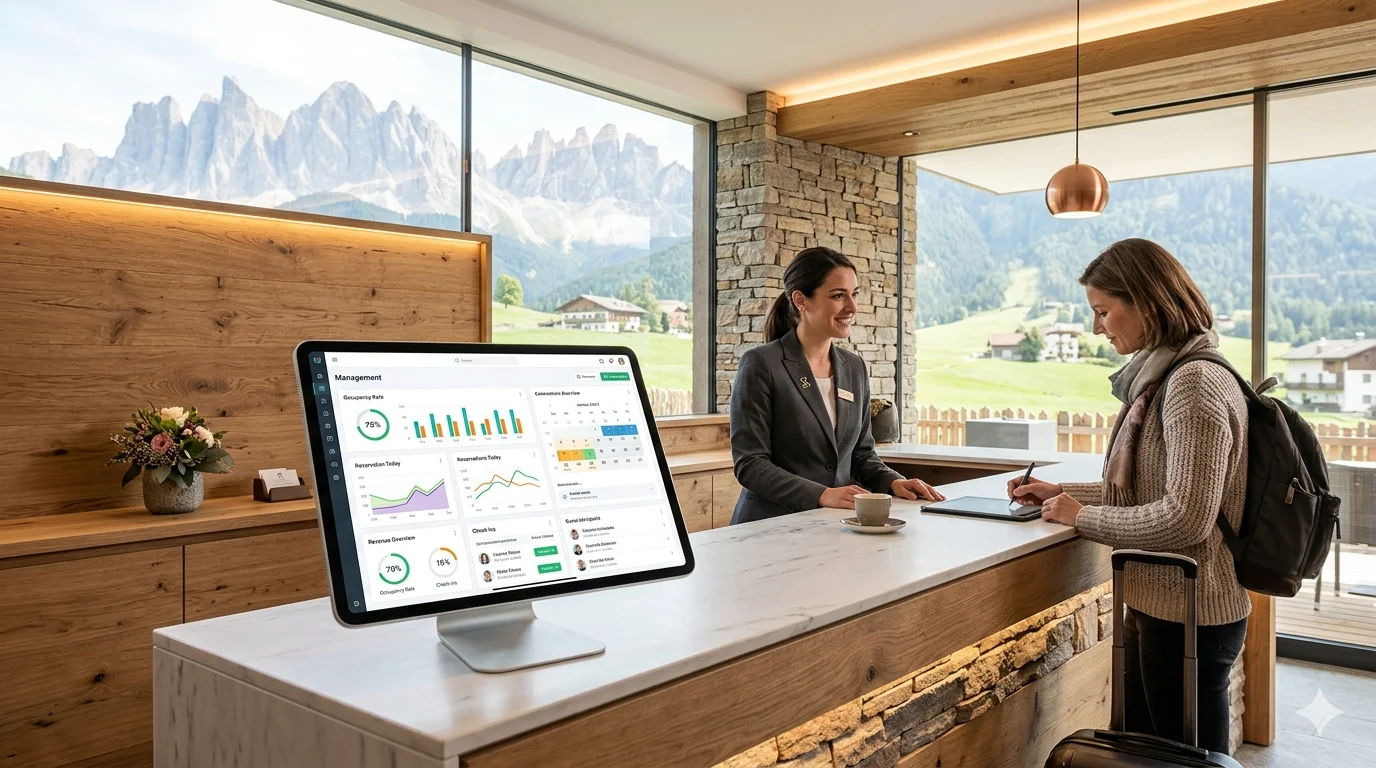
Management Software for Restaurants and Hotels: How to Choose the Right System in 2026
Complete guide to choosing management software for restaurants, hotels, B&Bs and pizzerias. Comparison of SaaS vs custom solutions, real costs, essential features and how to fund the investment with non-repayable grants.

AI Agents for SMEs: What They Are, How They Work and How to Get Started in 2026
What AI agents are, how much they cost and how to implement them in your SME. 5 practical use cases, real costs from zero to 3,000 euros and a step-by-step roadmap to get started.
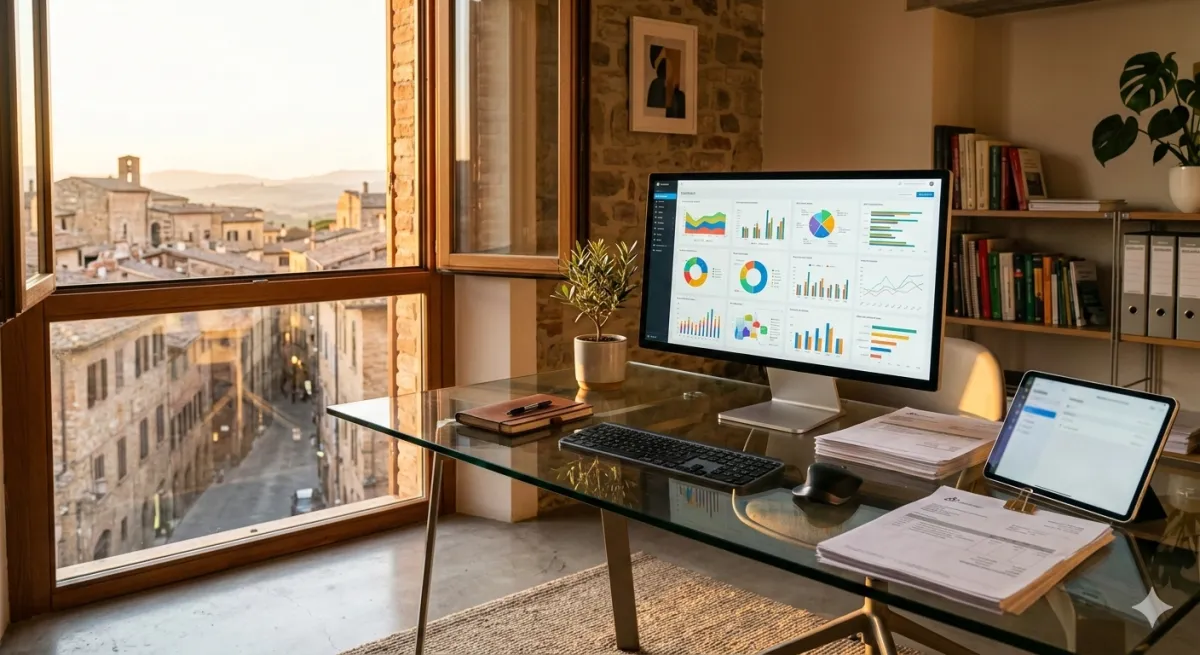
Business Intelligence for SMEs: Turning Data into Decisions
Is your SME's data scattered across ERP, Excel, and CRM? Discover how Business Intelligence turns it into clear dashboards for better decisions.